
IPX6 vs IPX4 Hospital Beds: Why Water Resistance Is No Longer Optional
In today’s hospitals, infection control, staff safety, and asset durability are under constant scrutiny. While patient comfort and clinical functionality often dominate purchasing decisions, one critical specification is frequently underestimated:
Ingress Protection (IP) water resistance.
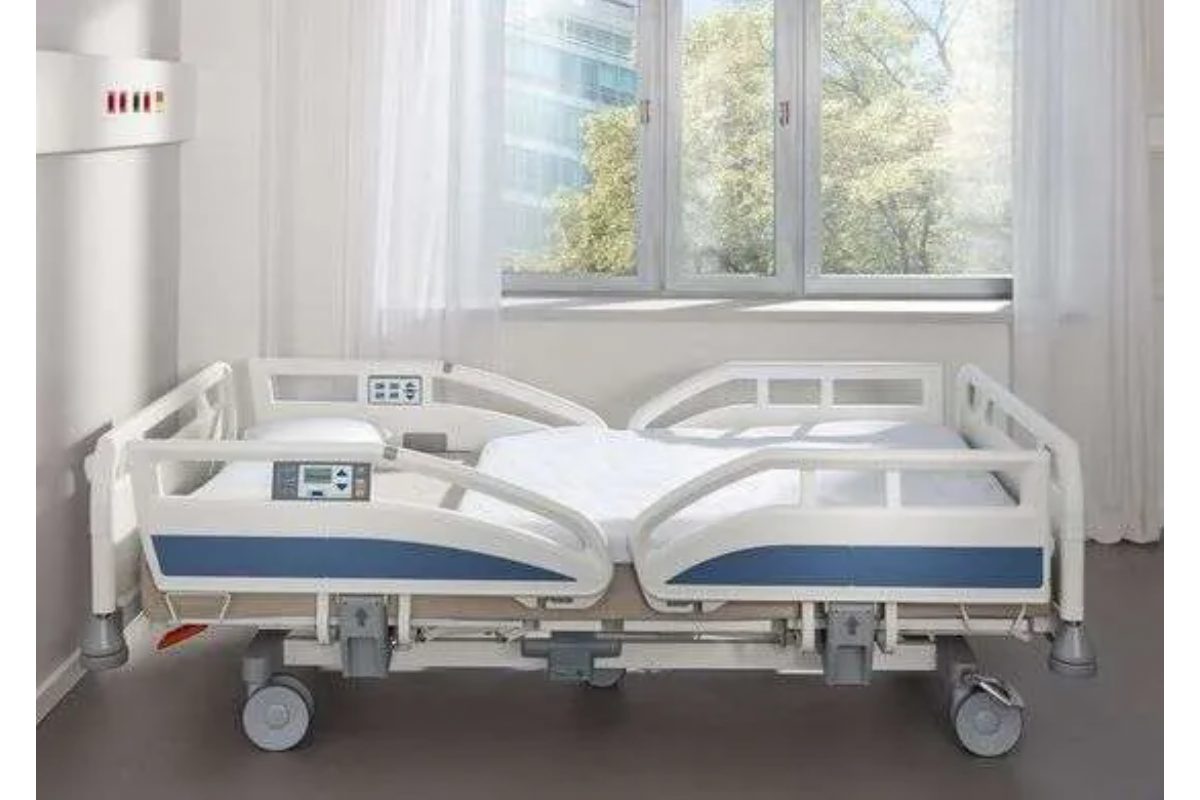
At @InnovateCare, we supply the Stiegelmeyer Evario Ward Bed into the Australian market. It is engineered with an IPX6 water‑resistance rating, significantly exceeding the IPX4 rating that remains common across standard hospital beds.
Understanding the difference is essential for hospitals focused on safety, efficiency, and long‑term value.
Understanding IP Ratings in a Clinical Environment
IP ratings define how well electrical equipment is protected from water exposure.
-
IPX4
- Protected against splashing water
- Suitable for light cleaning only
- Vulnerable during high‑pressure or frequent wash‑downs
-
IPX6
- Protected against powerful water jets from any direction
- Designed for intensive, repeated cleaning
- Resistant to water ingress into motors, controls, and electronics
In modern clinical environments, especially in acute care, ICU, isolation, and bariatric wards, cleaning protocols frequently exceed what IPX4 equipment was designed to tolerate.
Why IPX6 Matters for Infection Control
Australian hospitals now operate under rigorous infection prevention standards that demand fast, thorough, and frequent cleaning of all patient‑contact equipment.
An IPX6‑rated bed supports this by allowing:
- High‑pressure wash‑down without risking electrical damage
- Effective removal of biological contamination after patient discharge
- Reduced harborage points for bacteria in joints and mechanical components
- Greater confidence during terminal cleans and outbreak response situations
Beds limited to IPX4 can unintentionally constrain cleaning practices, increasing the risk of residual contamination between patients.
Clear Benefits for Nursing and Clinical Staff
Frontend clinical teams experience first‑hand the limitations of inadequate water protection.
Challenges commonly seen with IPX4 beds include:
- Hesitation to wash confidently around motors and controls
- Time‑consuming workarounds to protect vulnerable components
- Increased manual handling due to cleaning restrictions
- Concern about damaging high‑value equipment
With IPX6 protection, staff gain:
- Confidence to clean thoroughly and efficiently
- No need to shield or avoid electrical components
- Faster bed turnaround between patients
- Reduced equipment failures requiring service intervention
Reliable equipment reduces cognitive load for staff and supports safer, more efficient workflows.
Improved Patient Safety and Clinical Experience
While patients may never see an IP rating, they benefit directly from its impact on hygiene and reliability.
An IPX6 bed contributes to:
- Reduced cross‑infection risk
- Consistent and reliable bed functionality throughout admission
- Fewer unexpected equipment failures mid‑care
- Safer environments for vulnerable and immunocompromised patients
In high‑acuity settings, equipment reliability is not just operational — it is a patient safety issue.
Lower Whole‑of‑Life Cost for Hospitals
IPX6 beds provide measurable value over their full service life.
Hospitals benefit from:
- Reduced repair costs due to water‑related failures
- Longer equipment lifespan
- Fewer unplanned bed outages
- Lower demand for contingency or spare beds
- Improved return on capital investment
Water ingress remains one of the leading contributors to premature hospital bed failure. IPX6 protection directly addresses this risk.
Designed for the Reality of Australian Hospitals
The Stiegelmeyer Evario Ward Bed is designed to operate in real‑world conditions, not just meet minimum technical standards.
It supports:
- High‑acuity clinical environments
- Frequent and aggressive cleaning cycles
- Long‑term durability under heavy use
- Consistent performance across wards and departments
By exceeding IPX4 expectations, the Evario ward bed aligns with how care is actually delivered in Australian hospitals today.
The Bottom Line
Choosing an IPX4 bed means accepting compromises in hygiene confidence, durability, and long‑term reliability.
Choosing IPX6 means investing in:
- Stronger infection control outcomes
- Protected and confident clinical staff
- Safer patient care environments
- More resilient hospital infrastructure
At Innovate Care, we believe hospital beds should support modern clinical practice rather than limit it.
The Stiegelmeyer Evario Ward Bed with IPX6 rating represents a smarter, safer, and more future‑ready choice for Australian healthcare facilities.